Spooky Night: A Playful Font for Whimsical and Artistic Designs
When you hear the name Spooky Night, your mind might jump straight to Halloween. And while it certainly has a place there, limiting this creative font to just one season would be a mistake. Spooky Night is a premium font that carries a distinct personality—it’s quirky, slightly mischievous, and undeniably playful. Think of the hand-drawn lettering you’d see on a charming storybook cover or the whimsical text on a child’s birthday invitation. That’s the heart of Spooky Night. It’s a display font designed to inject character and a touch of fun into your projects, making it a versatile design asset for creators who want to break away from the ordinary.
The Visual Personality of Spooky Night
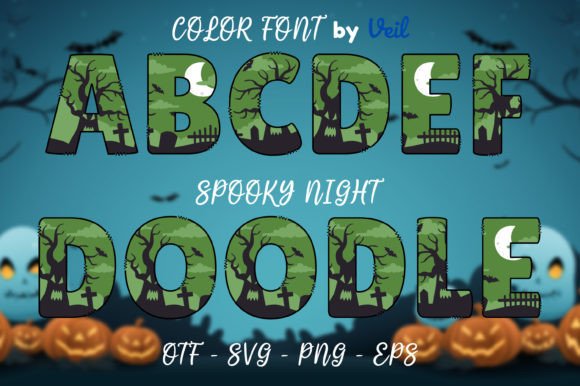
At its core, Spooky Night is a handwritten font with a story to tell. Its letterforms aren’t perfectly uniform; they have a slight, intentional irregularity that gives them life. You’ll notice soft, rounded terminals and gentle curves that make it feel approachable rather than scary. The strokes have a consistent, moderate weight, ensuring it remains legible even at smaller sizes, a common challenge with many script fonts. This balance is key. It doesn’t sacrifice readability for style, which is a crucial consideration for any commercial font. The overall aesthetic is less about terror and more about friendly, moonlit adventures—think cozy mystery rather than horror film.
Where Spooky Night Truly Shines
Understanding where a font like Spooky Night works best is about matching its personality to your project’s goals. Its playful nature makes it a natural fit for projects aimed at engaging younger audiences or evoking a sense of nostalgia and whimsy.
- Children’s Publishing and Editorial Design: This is where Spooky Night feels most at home. Use it for book titles, chapter headings, or pull quotes in editorial design. Its easy-to-read charm is perfect for children’s books, educational materials, and magazine features for family-oriented content. It creates an immediate connection with its intended reader.
- Invitations and Greeting Cards: Planning a themed party, a baby shower, or a festive holiday card? Spooky Night adds a personal, crafted touch that generic fonts can’t match. It’s excellent for invitations, thank you notes, and greeting cards where a personal, artistic feel is desired.
- Branding and Logo Design: For businesses with a playful, approachable brand identity—think a local bakery, a children’s boutique, a craft studio, or a family-friendly event planner—Spooky Night can be a strategic choice for logo design. It tells customers you’re creative, friendly, and perhaps a little unconventional. However, always test it with your brand name to ensure it scales well and maintains clarity.
- Packaging and Product Design: Stand out on the shelf. Use Spooky Night for product names on packaging for gourmet treats, artisanal goods, or specialty toys. It helps tell a product’s story at a glance and can make your packaging design more memorable.
- Digital and Social Media Graphics: In the fast-scrolling world of social media, personality grabs attention. Use Spooky Night for Instagram story headings, Pinterest pin titles, or YouTube thumbnails. It works wonderfully for social media graphics that promote events, sales, or lifestyle content with a creative twist.
Making Spooky Night Work in Your Designs
Choosing the right font is only half the battle. Using it effectively is what elevates your work. Here’s how to integrate Spooky Night into your projects with professionalism.
Mastering Font Pairing
A display font like Spooky Night rarely works alone for body text. Its strength is in headlines and short, impactful phrases. For longer paragraphs, you need a stable, readable partner. Pair it with a clean sans serif font for a modern, balanced look. Alternatively, a simple, sturdy serif font can create a lovely contrast that feels both traditional and playful. The key is to let Spooky Night be the star of the show while its partner provides calm, readable support. This thoughtful font pairing is a cornerstone of effective modern typography.
Evaluating for Your Project
Before you commit, run a quick test. Type out your most important words or phrases. Does the font’s character support all the letters and symbols you need? Check the included styles—does it come with alternates or ligatures that could add more variety? Most importantly, view it at the size you’ll actually use. A font that looks charming large can become illegible small. For web design, test its rendering on different screens. This practical evaluation ensures the font serves your project, not the other way around.
Readability and Visual Hierarchy
Spooky Night’s playful shapes can influence how your audience perceives information. Use it for main titles or key messages where you want to establish a friendly, creative tone. It naturally creates a strong visual hierarchy, drawing the eye immediately. For subheadings or secondary information, consider using a lighter weight of your paired sans serif font. This layering guides the reader through your content in a logical and engaging way, enhancing overall audience engagement.
Licensing and Professional Use
As a premium font, Spooky Night comes with a license that dictates how you can use it. Always review this carefully before starting a project, especially for commercial work like logo design, product packaging, or client projects. Understanding the terms ensures you’re using the font legally and professionally, which reflects well on you and protects your work. Investing in a proper license for a quality typeface is an investment in your project’s professionalism and brand identity consistency.
Ultimately, Spooky Night is more than just a Halloween novelty. It’s a tool for adding warmth, character, and a handcrafted feel to a wide array of creative endeavors. By understanding its personality and applying it thoughtfully, you can transform ordinary designs into memorable experiences that resonate with your audience. It’s a testament to how the right creative font can do more than just display words—it can set a mood, tell a story, and build a connection.