Clouds Font: A Whimsical Typeface for Nature-Inspired Designs
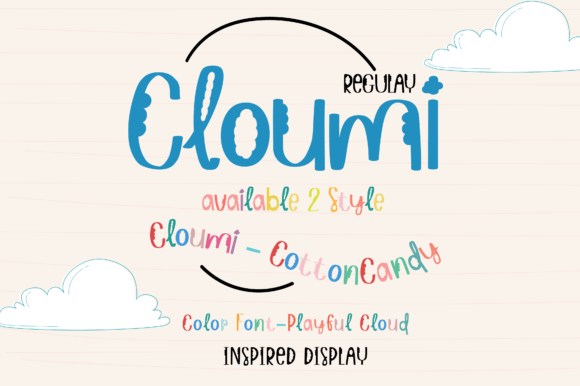
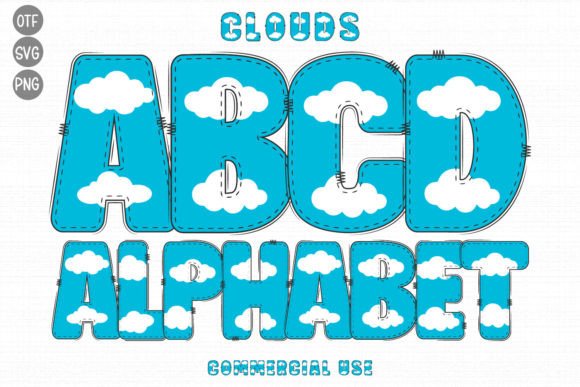
There’s a particular challenge in design when the goal is to evoke a feeling—something soft, natural, and slightly fantastical. Standard sans serif fonts can feel too corporate, while traditional serifs might carry too much weight. This is where a specialized display font like Clouds enters the conversation. It’s not just a collection of letters; it’s a texture, a mood, and a visual shortcut to a specific aesthetic. The Clouds font is a creative font built with a literal cloud-like skin texture, making it an immediate standout in any designer's toolkit. Its personality is playful, dreamy, and inherently organic, offering a direct solution for projects that need to feel light, imaginative, and connected to the natural world.
Where Clouds Truly Shines: Practical Applications
Understanding a font's best use cases is key to leveraging its strengths. Clouds isn't a workhorse for body text; it's a strategic accent. Its textured, three-dimensional appearance makes it exceptionally effective for grabbing attention without relying on bold strokes or sharp edges.
In brand identity and logo design, Clouds can instantly communicate a brand's core values. Think of a children's boutique, an outdoor adventure blog for families, a weather app, or an organic skincare line. Using Clouds in the primary logo or as a secondary accent typeface builds an immediate, memorable association with whimsy and nature. It helps a brand feel approachable and imaginative, which can be a powerful differentiator.
For publishing and editorial design, this premium font finds its place on book covers, chapter headings, and magazine pull quotes. A nature-themed cookbook, a fantasy novel for young adults, or a travel magazine focused on landscapes could use Clouds to set the tone before a single word of the body copy is read. It acts as a visual hook that promises a specific kind of content experience.
The digital space is another natural habitat. Social media graphics, especially for Instagram Stories, Pinterest pins, or YouTube thumbnails, thrive on scroll-stopping visuals. A headline set in Clouds can make a post about hiking tips, a DIY cloud mobile tutorial, or a sale at a toy store pop off the screen. In web design, it should be used sparingly—perhaps for a hero section headline or a call-to-action button—to inject personality without compromising the site's overall usability.
Finally, for crafters and hobbyists, the font's compatibility is a major asset. The black version works seamlessly with Cricut Design Space and other cutting machines, making it perfect for creating custom stickers, decals, t-shirt designs, and nursery décor. The color version, compatible with advanced design software like Adobe Photoshop and Illustrator, allows for even more creative control over the texture and shading.
Working With Clouds: A Designer's Perspective
Integrating a textured font like Clouds requires a thoughtful approach. Its visual strength can become a weakness if overused, leading to visual clutter and readability issues. The key is balance and pairing.
First, always consider the context. A font pairing strategy is essential. Clouds works best when contrasted with a clean, simple companion. Pair it with a neutral sans serif font like Open Sans, Lato, or a geometric typeface for body text. This contrast allows the Clouds headline to command attention while the supporting text remains legible and professional. Avoid pairing it with other decorative or script fonts, as this will create a chaotic and unfocused design.
Readability is paramount, even with a display font. Use Clouds for short bursts of text—headlines, titles, logos, or single-word accents. Setting a full paragraph in it would be impractical. Always test your design at the intended size and on the intended medium. A headline that looks great on a large monitor might lose its detail and become muddy when printed small or viewed on a mobile screen.
When evaluating the font for a project, look at the included character set. Does it have the punctuation, numerals, and special characters you need? For commercial projects, confirming the licensing is a critical step. The article mentions commercial use, but always verify the specific terms to ensure your intended application—whether it's for a client's logo or a product you sell—is covered. This due diligence is part of professional design practice.
Think about the color palette in your design. The Clouds font has a built-in, neutral color in its texture. Ensure the colors in your layout complement this. Often, a soft, muted background allows the textured letters to stand out without competing. If you're using the color version in a program like Silhouette or Inkscape, you have the flexibility to experiment with blending modes and overlays to integrate it even more seamlessly into your composition.
Elevating Your Project's Narrative
Every design asset tells a story. Choosing a typeface like Clouds is a deliberate decision to infuse your project with a narrative of wonder, softness, and organic charm. It moves beyond mere decoration to become an active participant in shaping your audience's perception. For a small business owner, it can make a brand feel more personal and unique. For a content creator, it can visually reinforce the theme of their channel or blog. For a crafter, it adds a professional, polished touch to handmade items.
In a landscape saturated with generic templates and overused fonts, a distinctive typeface is a valuable tool. Clouds offers a specific visual voice that is difficult to replicate with standard modern typography. It’s a reminder that effective design is often about choosing the right tool for the specific emotional and communicative job at hand. By understanding its personality, its ideal applications, and the best practices for using it, you can harness its potential to make your next creative project not just seen, but felt.