Colored Pencils: A Playful Font for School & Creative Designs
Why This Typeface Feels Like a Back-to-School Memory
You know that feeling when you open a fresh box of crayons or colored pencils? The vibrant, uniform tips, the waxy scent, and the sheer potential of a blank page—that’s the exact vibe the Colored Pencils font captures. It’s not just a typeface; it’s a visual shortcut to nostalgia, warmth, and a hands-on, creative spirit. As a designer, I’m always searching for assets that carry an immediate emotional tone, and this one delivers it with a charming, consistent style that’s surprisingly versatile.
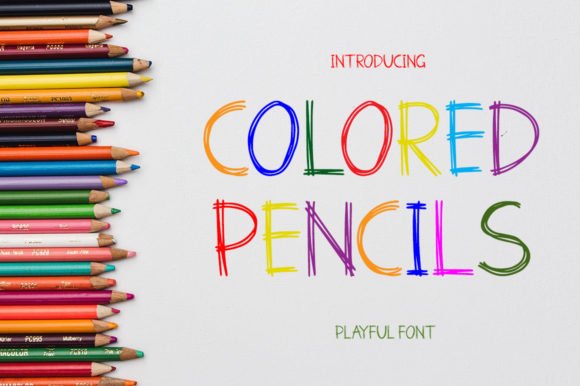
At its core, Colored Pencils is a display font that mimics the textured, slightly imperfect stroke of a colored pencil on paper. Each letterform has a soft, rounded quality with subtle variations that prevent it from looking sterile or digital. It’s a creative font that sits in a sweet spot—it’s clearly playful and youthful, but the execution is clean enough to avoid looking childish. The personality is approachable, friendly, and energetic. It doesn’t take itself too seriously, which makes it perfect for projects that need to feel inviting and authentic.
Where Colored Pencils Truly Shines: Real-World Applications
Forget generic font lists. Let’s talk about where Colored Pencils actually works in a professional workflow. Its strength lies in projects where you want to evoke a sense of fun, learning, or handmade charm.
For Branding and Marketing: This is a fantastic brand identity tool for businesses targeting families, children, or the education sector. Imagine it on the logo for a local tutoring center, a kids’ clothing line, or a parenting blog. It instantly communicates a safe, creative, and engaging environment. In marketing, it’s gold for social media graphics promoting back-to-school sales, craft workshop flyers, or newsletter headers for a community newsletter. It cuts through the noise of sleek, corporate fonts with its honest, textured appeal.
In Publishing and Editorial Design: While you wouldn’t set a 300-page novel in it, Colored Pencils is a powerhouse for editorial design accents. Use it for chapter titles in a children’s activity book, pull quotes in a magazine article about family life, or section headers in a recipe booklet. It adds a burst of visual interest and personality without overwhelming the body text, which should remain a highly readable sans serif font or serif font.
Crafting and Personal Projects: This is where the font feels most at home. It’s a dream for scrapbooking, custom greeting cards, party invitations, and DIY labels. If you’re a crafter using software like Silhouette or Inkscape, you can integrate it seamlessly into your designs for stickers, iron-on transfers, and classroom materials. It’s the kind of design asset that elevates a personal project from simple to thoughtfully designed.
Practical Guidance: Choosing and Using Colored Pencils Effectively
Adopting a new premium font is an investment, so here’s how to evaluate if Colored Pencils is the right fit for you.
Test for Project Fit: The font’s personality is strong. Ask yourself: Does my project’s tone align with warmth, creativity, and approachability? If you’re designing a legal document or a fintech app, it’s probably not your primary typeface. But for a bakery’s chalkboard menu, a pet shop’s loyalty card, or a yoga studio’s event poster? Absolutely.
Master the Font Pairing: The key to using a display font like this is contrast. Pair it with a simple, neutral modern typography workhorse. A clean sans serif font like Montserrat or Lato for body text will let the headings in Colored Pencils pop without causing visual chaos. Avoid pairing it with other highly decorative or script fonts; that will quickly become cluttered.
Leverage Its Unique Format: Remember, this is an OpenType-SVG color font. This means the color and texture are baked into the font file itself. This is a huge advantage for consistency—you get that authentic colored pencil look without having to manually add effects in Photoshop or Illustrator. However, always check compatibility. It works beautifully in PhotoShop, Illustrator, Silhouette, and Inkscape, but note the specific limitation with Cricut machines for the OTF/TTF files.
Consider Readability and Hierarchy: Use Colored Pencils strategically to create visual hierarchy. It’s perfect for short, impactful headlines, subheadings, or logos. For longer sentences or small text sizes, its texture can reduce readability. Always print a test or view a mockup at actual size to ensure clarity. Its strength is in drawing the eye, not in sustaining long-form reading.
Review Licensing for Your Needs: As a commercial font, ensure its license covers your intended use—whether for a client project, merchandise for sale, or a digital product you plan to distribute. The included styles and characters are part of the value, so explore the full glyph set to make the most of your purchase.
In the end, Colored Pencils is more than just a cute typeface. It’s a tool for injecting a specific, joyful emotion into your work. It reminds your audience of the simple pleasure of creating, making it a powerful asset for the right project. When you need to bridge the gap between professional design and heartfelt appeal, it’s a font that genuinely delivers.