Rustic Dots: A Creative Font for Playful Design Projects
When you’re working on a project that needs to feel friendly, approachable, and a little bit whimsical, the right typeface can do most of the heavy lifting. That’s where a font like Rustic Dots comes in. It’s not just another display font—it carries a distinct personality that can instantly shift the tone of your design from serious to spirited. If you’ve ever felt like your invitations, posters, or branding materials needed a touch of warmth without sacrificing clarity, this is a typeface worth exploring.
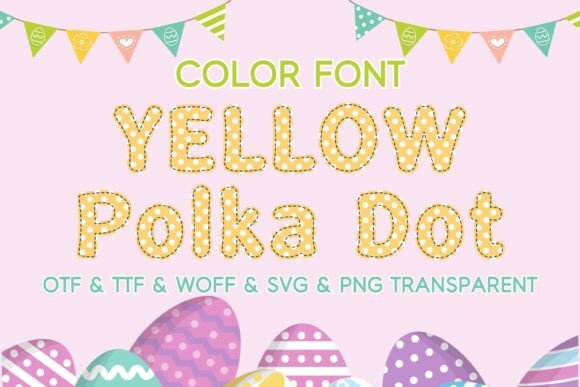
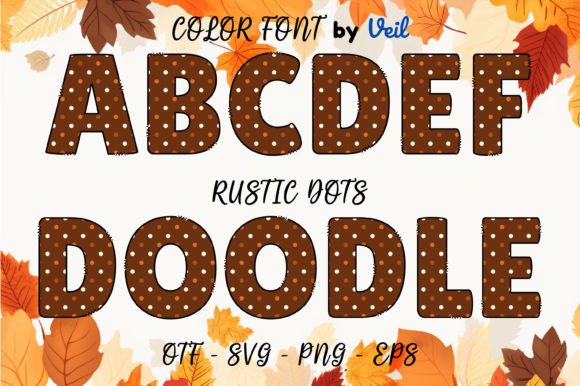
Rustic Dots is a creative font that blends handcrafted charm with modern typography sensibilities. Its visual characteristics include slightly irregular letterforms, dotted textures, and a casual, handmade quality that avoids looking overly polished. Think of it as the typographic equivalent of a cozy, well-loved sketchbook. The font often features subtle imperfections that give it authenticity, making it feel personal rather than mass-produced. It’s the kind of typeface that works beautifully when you want to convey playfulness, creativity, or a down-to-earth vibe.
Where Rustic Dots Truly Shines
This font isn’t meant for body text or legal documents—and that’s perfectly fine. Its strength lies in applications where personality and visual interest matter more than strict formality. If you’re designing a children’s book cover, Rustic Dots can set the right tone immediately. The slightly uneven baselines and textured strokes create a sense of movement and energy that appeals to young readers and their parents alike. It’s easy to read at larger sizes, which is exactly what you need for titles, headings, and pull quotes in editorial design.
For entrepreneurs and small business owners, Rustic Dots can be a fantastic choice for branding projects that aim to feel artisanal or handmade. Imagine using it on packaging design for a boutique candle company, a local bakery’s menu, or a craft brewery’s label. The font’s rustic quality suggests care, craftsmanship, and attention to detail—values that many consumers actively seek out. It pairs well with simple sans serif fonts for body copy, creating a balanced visual hierarchy that guides the reader’s eye without overwhelming them.
Marketers and content creators will find Rustic Dots useful for social media graphics, especially when promoting events, workshops, or lifestyle products. Its playful nature makes it stand out in crowded feeds, and it works particularly well for Instagram posts, Pinterest pins, and Facebook headers. When used in moderation—typically for headlines or call-to-action text—it adds personality without compromising readability. Just remember that at smaller sizes, the dotted texture might lose some detail, so it’s best to reserve it for larger applications.
Practical Tips for Using This Font Effectively
Choosing a font like Rustic Dots requires some thought about your project’s overall goals. Start by asking yourself what feeling you want to evoke. If your brand identity leans toward modern minimalism, this typeface might feel out of place. But if you’re targeting families, creatives, or audiences who appreciate warmth and authenticity, it could be a perfect fit. Test it in context—mock up a few designs before committing. See how it looks with your color palette, imagery, and other design assets.
Font pairing is another critical consideration. Rustic Dots works best when contrasted with clean, simple typefaces. A classic sans serif font like Helvetica or Open Sans can provide balance, while a straightforward serif font like Georgia can add a touch of elegance. Avoid pairing it with other decorative or script fonts, as that can create visual clutter. The goal is to let Rustic Dots be the star of your headlines while supporting fonts handle the details.
Readability should always be top of mind. While Rustic Dots is highly legible at larger sizes, it’s not designed for long paragraphs or small text. Use it for titles, subheadings, logos, and short phrases where its character can shine. If you’re working on a web design project, test it across different devices and screen resolutions to ensure the texture remains clear. For print projects, request a proof to see how the font reproduces on paper—sometimes dotted or textured fonts can lose definition in certain printing processes.
Licensing is another practical aspect to consider. If you’re using Rustic Dots for commercial projects—whether for client work, merchandise, or digital products—make sure you have the appropriate license. Many premium fonts come with different licensing tiers, so review the terms carefully. Some licenses cover a single user or a specific number of installations, while others allow broader usage. Investing in a proper license not only keeps you legally compliant but also supports the font designers who create these valuable resources.
Making the Most of a Whimsical Typeface
One of the often-overlooked benefits of using a font like Rustic Dots is its ability to create consistency across multiple touchpoints. If you’re building a brand, using the same typeface for your logo design, website headers, packaging, and marketing materials creates a cohesive visual language. Customers begin to recognize your style, which builds trust and recognition over time. Rustic Dots can be that unifying element for brands that want to feel approachable and creative.
For bloggers and publishers, this font can add a distinctive flair to your editorial design. Use it for chapter titles in e-books, section headings in newsletters, or featured quotes in articles. It breaks up the monotony of standard typography and gives readers a visual cue that something interesting is coming. Just be consistent in how you use it—stick to the same size, color, and placement rules throughout your publication to maintain a professional appearance.
Finally, don’t be afraid to experiment. Typography is as much about intuition as it is about rules. Try Rustic Dots in unexpected contexts—a corporate presentation, a wedding invitation, a charity fundraiser poster. Sometimes the most memorable designs come from pairing a playful font with a serious subject, creating a delightful contrast that captures attention. The key is to always keep your audience in mind and ensure that your font choices enhance rather than distract from your message.