Flower Spring: The Playful Font for Child-Centric Design
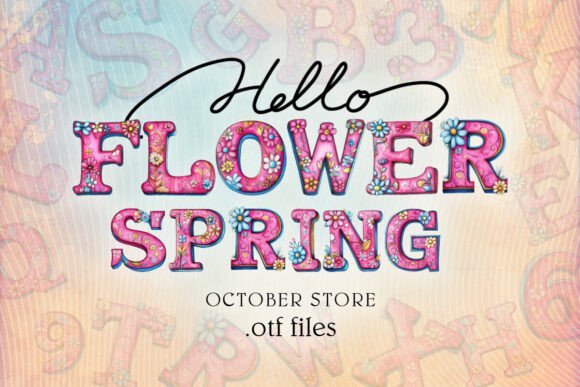
There’s a specific kind of joy in a child’s drawing—the wobbly lines, the earnest effort, the pure delight in creating something. It’s that authentic, unpolished spirit that the Flower Spring font captures so beautifully. This isn’t just another display font; it’s a direct translation of meticulous pencil sketches into a functional, vibrant typeface. Each letter is crafted to resemble a delicate pink flower, transforming the alphabet into a garden of playful possibilities. For designers and creators working within the world of children, education, and family-focused brands, finding a font that feels both genuinely youthful and professionally executed can be a challenge. Flower Spring bridges that gap, offering a creative font solution that is as heartfelt as it is practical.
Beyond Cute: The Design Anatomy of a Spring Typeface
At its core, Flower Spring is a premium font with a distinct personality. Its visual style is defined by soft, rounded forms and organic shapes that mimic blooming petals. The artist’s background in pencil drawing is evident in the subtle, handcrafted feel of each glyph—there’s a human touch that digital-only designs often lack. This gives the font a warm, approachable character perfect for evoking wonder and excitement for nature. It’s a handwritten font in spirit, but with the consistency needed for professional use. The overall appeal lies in its ability to communicate innocence and creativity without sacrificing legibility, especially at larger sizes where its floral details can truly shine.
Understanding where this font works best is key to leveraging its strengths. Its niche is clear, but within that niche, it excels. Consider its application across various creative projects:
- Educational Materials: Worksheets, classroom posters, and alphabet charts become instantly more engaging. The playful letterforms help hold a child’s attention and make learning feel like a game.
- Kid-Centric Branding & Packaging: For a children’s boutique, a daycare center, or a line of organic baby products, Flower Spring can become a cornerstone of the brand identity. It works wonderfully for logo design elements, product labels, and packaging where a soft, natural aesthetic is desired.
- Publishing & Editorial Design: Chapter titles, cover art, or interior headings in children’s books or family magazines benefit from its whimsical charm. It sets a joyful tone before a single word of the story is read.
- Digital & Social Media: In the realm of web design, it’s ideal for hero banners, call-to-action buttons, or blog headers on parenting and kids’ craft sites. For social media graphics, it can make announcements, quotes, or sale promotions for family-oriented businesses stand out in a crowded feed.
- Event & Personal Projects: From birthday party invitations and scrapbook pages to custom T-shirts and nursery wall art, this font adds a personal, artisanal touch that mass-produced typography cannot.
Practical Guidance: Implementing a Playful Font with Professionalism
Choosing a font like Flower Spring is just the first step. Using it effectively requires a designer’s eye for detail. Here’s how to evaluate its fit and integrate it seamlessly into your work.
First, always consider your project’s core message and audience. Is the primary goal to educate, to sell, or to entertain? This font’s personality is overwhelmingly positive, gentle, and youthful. It’s a poor fit for serious corporate reports or minimalist luxury brands, but it’s a perfect match for projects that need to radiate warmth and creativity. Before committing, test it in context. Create a mockup of your logo design or a sample social media graphic to see how its detailed letterforms interact with your color palette and imagery.
One of the most critical aspects of using any display font is font pairing. Because Flower Spring is so distinctive, it demands a complementary partner for body text. You would never set a paragraph with it. Instead, pair it with a clean, highly legible sans serif font or a simple, friendly serif font. The contrast creates a clear visual hierarchy: Flower Spring for impactful headings and short bursts of text, and its partner for longer, readable copy. This approach maintains professionalism while letting the font’s unique charm shine without overwhelming the viewer.
It’s also vital to understand the technical aspects of this design asset. Flower Spring is an OpenType-SVG color font. This means it contains embedded color information, allowing the pink floral details to render automatically in compatible software. This is a huge advantage for creating vibrant graphics without manual coloring. However, compatibility is key. It works in programs like Adobe Photoshop, Illustrator, Silhouette Studio, and Inkscape. Crucially, as noted, the OTF/TTF files are not compatible with Cricut design space. For crafters, this is an essential check before purchasing. Always review the included styles and character set—does it include the punctuation, numerals, and language support you need?
Finally, think about consistency and recognition in your brand identity. If you use Flower Spring for your children’s bookstore logo, carry that same playful energy into your website headers, your email newsletter titles, and your in-store signage. This thoughtful repetition builds a cohesive and memorable brand experience. While the font itself is a commercial font with a specific license, its consistent use across touchpoints is what truly builds professional recognition. It’s more than just a creative font—it’s a tool for storytelling, a way to infuse your projects with the genuine, blooming spirit of childhood wonder.