Harper: Where Every Glyph Becomes a Typographic Painting
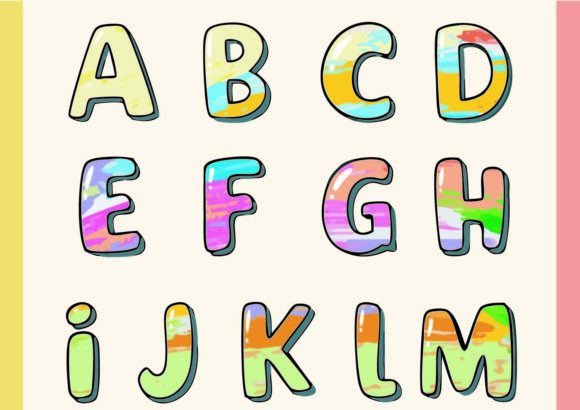
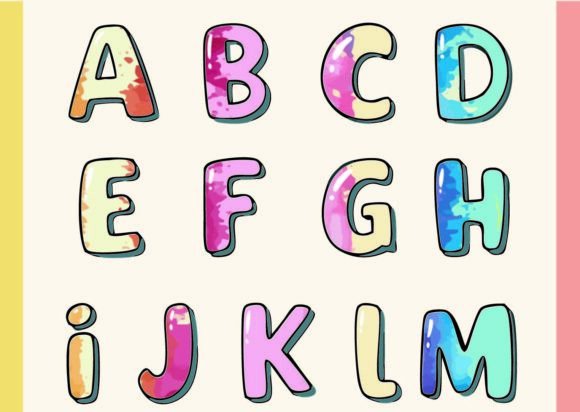
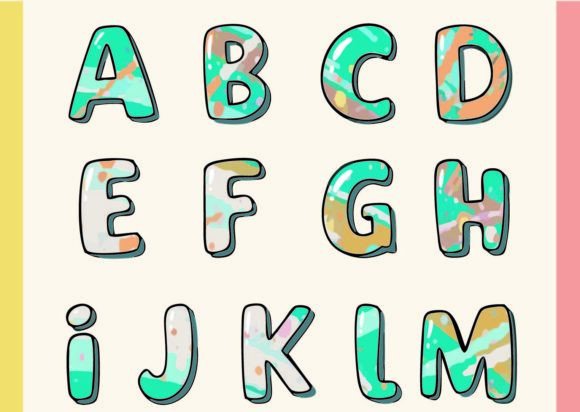
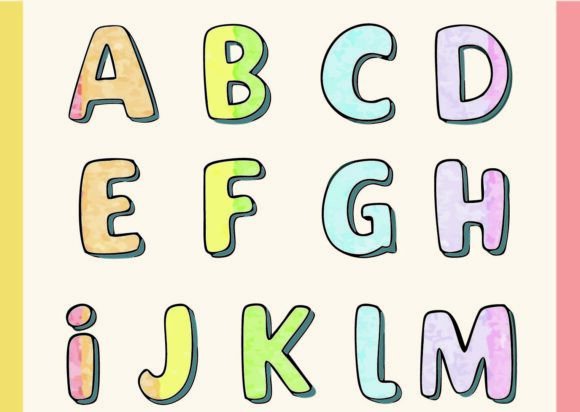
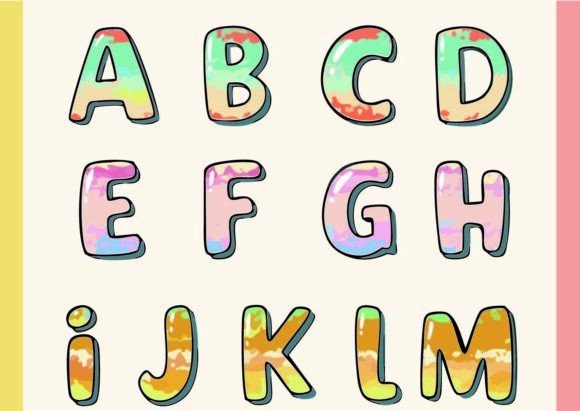
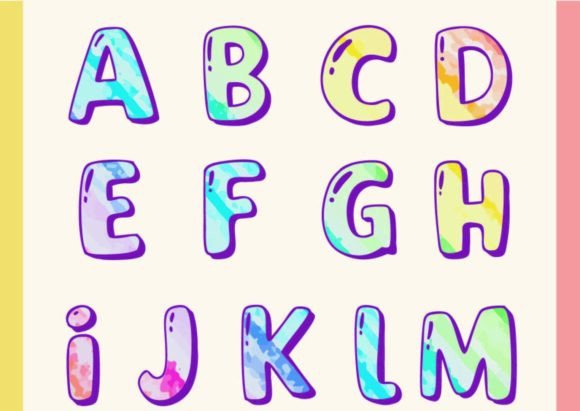
When you first encounter Harper, it’s not just a font you see—it’s an experience. Imagine a typeface where each letterform is a standalone work of art, a vibrant composition of intricate paths and bold color. Harper isn't your average typeface; it's a modern, premium display font that feels like a colorful heaven for designers. Every single glyph has a unique set of colors, transforming simple text into a visual feast. This is the essence of Harper: a creative font that merges typographic precision with the expressive energy of a painted canvas.
The Visual Soul of Harper: Complexity and Color
Look closely at Harper, and you’ll discover a depth that sets it apart from typical display fonts. Each character is meticulously crafted with complex sets of paths and connections, creating a layered, almost three-dimensional quality. This isn't just about adding a color overlay; it's about building each letter as a cohesive, multi-hued illustration. The personality of Harper is bold, artistic, and unapologetically vibrant. It carries a contemporary, expressive style that feels both sophisticated and playful, making it a standout choice for projects that demand attention and convey a sense of creative confidence.
This style of modern typography, often an Opentype-SVG color font, represents a significant evolution in digital design assets. It allows for gradients, textures, and multiple colors within a single glyph, something previously impossible with standard fonts. For the designer, this means Harper arrives ready to be a focal point. It doesn’t just convey a word; it communicates a mood, an aesthetic, and a level of artistry that can elevate a project from good to unforgettable.
Real-World Applications: From Brand Identity to Social Media
The true value of a creative font like Harper lies in its application. Its striking visual nature makes it an exceptional tool for specific design scenarios where impact is paramount.
For logo design and brand identity, Harper can be a game-changer. A boutique brand, an artistic studio, or a lifestyle blog seeking a memorable mark can use Harper to create a logo that is instantly recognizable. The inherent color and complexity mean the logo itself becomes a piece of brand art, perfect for use on websites, business cards, and packaging design where a strong first impression is critical. However, its best use is often for a primary logo mark or a stylized brand name, not for body copy.
In editorial design and publishing, Harper shines as a hero element. Think of a magazine cover headline, a chapter opener in a coffee table book, or the title on a poster. It can set the tone for an entire publication, suggesting creativity, modernity, and a high-end aesthetic. Similarly, in packaging design, using Harper for a product name on a box or label can immediately signal that the product inside is unique, artisanal, or crafted with care.
The digital space is where Harper truly thrives. For web design, it’s perfect for impactful hero sections, call-to-action buttons, or promotional banners. On social media graphics, a quote or headline set in Harper can stop the scroll, driving engagement for Instagram posts, Pinterest pins, or YouTube thumbnails. Its visual pop is inherently shareable and designed for the fast-paced digital landscape.
Strategic Use: Readability, Hierarchy, and Pairing
While Harper is visually stunning, using it effectively requires a strategic approach. Its primary role is as a display font, meaning it’s crafted for headlines, titles, and short, impactful phrases. Its intricate details and color complexity mean it is not suited for long paragraphs or small body text, where readability would suffer.
When incorporating Harper into a project, consider its influence on visual hierarchy. It naturally commands the top spot. Use it to draw the eye to the most important message. This creates a clear path for the viewer, guiding them from the bold, artistic headline to supporting information presented in a cleaner typeface.
A crucial step is mastering font pairing. Harper’s bold personality needs a complementary partner. For a balanced and professional look, pair it with a clean, simple sans serif font or a classic serif font. The contrast allows Harper to stand out without overwhelming the entire design. Avoid pairing it with other ornate script fonts or handwritten fonts, as this can create visual chaos and diminish readability.
Practical Considerations: Choosing and Using Harper
Before integrating Harper into your workflow, a few practical checks ensure it’s the right fit.
- Evaluate Project Fit: Does your project call for a bold, artistic statement? Is the tone modern, creative, or expressive? Harper is ideal for projects in fashion, art, beauty, food, and lifestyle industries. It may be less suitable for corporate reports, legal documents, or applications requiring ultra-conservative typography.
- Test Thoroughly: Always test the font in your intended environment. Because it is an Opentype-SVG color font, compatibility is key. As noted, it works in Photoshop, Illustrator, Silhouette, and Inkscape. Check that the OTF and/or TTF files render correctly in your version of the software. Test how it looks at different sizes and against various background colors to ensure the colors remain vibrant and legible.
- Review Included Styles: A quality premium font like Harper may come with stylistic alternates or additional glyphs. Explore the font’s full character set in your design software to take advantage of any variations that could add further uniqueness to your work.
- Understand Licensing: For commercial use—on client projects, products for sale, or monetized content—ensure you have the appropriate commercial license. This is a standard and ethical practice in the design world, protecting both you and the font creator.
Harper is more than just a typeface; it’s a design asset that brings the energy of a painter’s palette to the precision of digital typography. By understanding its strengths and applying it thoughtfully, you can harness its colorful heaven to create work that resonates, engages, and leaves a lasting impression. It’s a tool for designers, entrepreneurs, and creators who aren’t afraid to make their mark in full color.