Exploring Jane: A Typographic Painting for Every Project
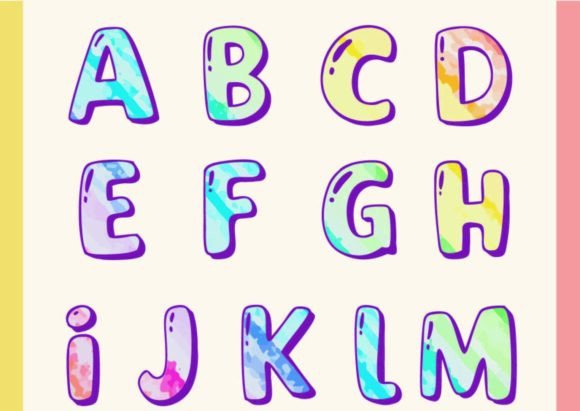
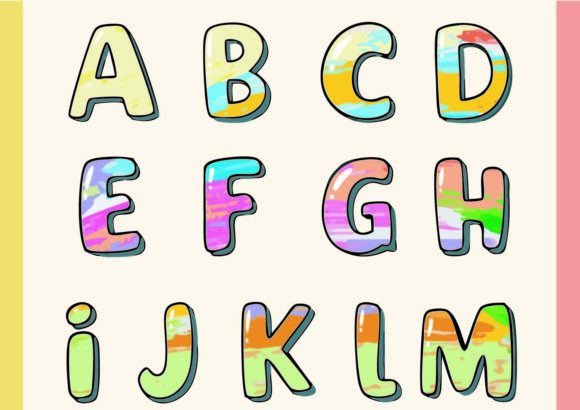
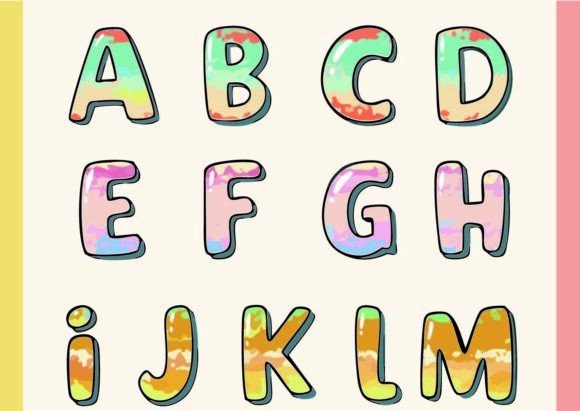
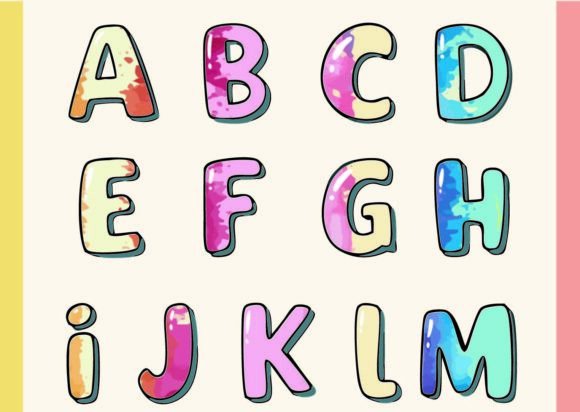
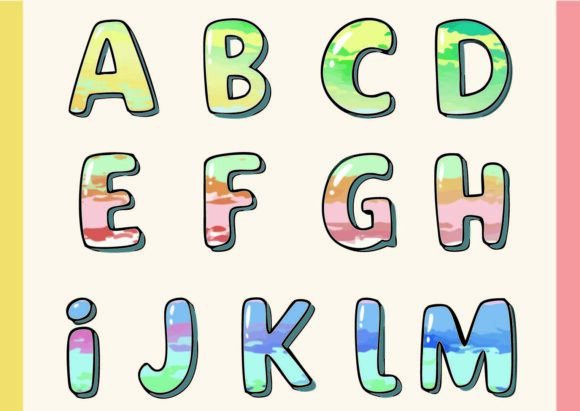
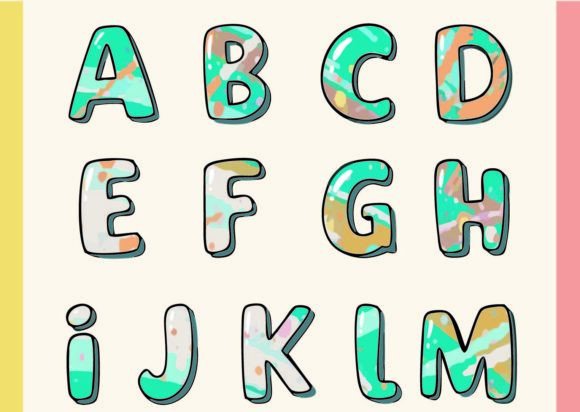
When you first encounter the Jane typeface, it’s less like finding a font and more like stepping into a curated gallery of letterforms. The defining characteristic here is color—and not just a single hue, but a complex, vibrant spectrum. Jane is a premium color font, specifically engineered as an OpenType-SVG file. This means that unlike traditional typefaces that rely on flat, single-tone vectors, Jane renders rich, pre-designed color gradients and textures directly within the vector outlines. Every single glyph possesses its own unique palette, transforming standard text into what can only be described as typographic paintings.
For designers, this technical distinction is a game-changer. You no longer need to spend hours in Illustrator or Photoshop clipping masks, applying gradients, or blending colors to achieve a vibrant, hand-painted look. Jane does the heavy lifting. When you type a sentence, the complex sets of paths and connections within each letterform reveal themselves, creating a textured, organic aesthetic that feels handmade yet incredibly precise. It is a colorful heaven that captures the warmth of traditional illustration with the scalability of modern digital typography.
The Personality and Visual Style of Jane
Jane occupies a fascinating space between a serif font and a decorative display typeface. It doesn't fit neatly into the rigid boxes of "sans serif" or "script," but rather borrows the best traits of artistic typography. The letterforms are structured enough to maintain legibility at larger sizes, yet the internal geometry is intricate. You’ll notice that the "complex sets of paths" mentioned in the font’s description create a sense of depth and movement. It avoids the static feel of geometric sans serif fonts, offering instead a dynamic, energetic vibe.
The personality of Jane is confident, creative, and expressive. It speaks the language of modern design trends that favor bold, maximalist aesthetics over minimalism. Because it is a color font, the "mood" shifts depending on the palette embedded in the glyphs. Typically, these fonts feature complementary or analogous color schemes that evoke specific emotions—whether it’s the warmth of sunset tones or the cool precision of digital neons. For a brand strategist, this personality is vital. Jane isn't a font for corporate policy documents; it is a typeface designed to make an immediate emotional impact.
Practical Applications: Where Jane Shines Brightest
Understanding where to deploy a specialized asset like Jane is key to maximizing its value. As a display font, its primary strength lies in high-visibility applications where short bursts of text need to grab attention immediately. It is an exceptional choice for logo design, particularly for brands in the creative, beauty, food, or lifestyle sectors. A logo set in Jane instantly communicates that a brand is artistic, approachable, and modern.
Beyond branding, Jane excels in packaging design. Imagine a coffee bag or a cosmetic box where the product name leaps off the shelf in full color without the need for expensive spot-color printing or complex pre-press work. For digital creators, the font is a powerhouse for social media graphics. In a crowded Instagram or Pinterest feed, a flat, black headline often fades into the background. Jane, with its "typographic painting" aesthetic, stops the scroll. It provides the visual hierarchy needed to emphasize a call-to-action or a headline in web design headers, ensuring the most important message is seen first.
Even in editorial design, such as magazine covers or book titles, Jane offers a fresh alternative to standard headline fonts. It allows publishers and bloggers to create a distinct visual language that sets their content apart from competitors relying on overused Google Fonts.
Readability, Hierarchy, and Audience Engagement
One of the most critical considerations when using a "creative font" like Jane is readability. Because of the intricate paths and color fills, this typeface is not designed for body copy. Attempting to use Jane for long paragraphs would result in visual fatigue for the reader. However, when used correctly for headlines and sub-headers, it actually enhances the reading experience by establishing a strong visual hierarchy.
Visual hierarchy is about guiding the viewer’s eye. Jane acts as a neon sign, directing attention to the most important information first. By pairing Jane with a clean, neutral sans serif font for the body text (such as Helvetica, Roboto, or Lato), you create a pleasing contrast. The complexity of the display font is balanced by the simplicity of the body text, ensuring the layout feels professional rather than chaotic.
This contrast directly influences audience engagement. In marketing materials—whether a flyer, an email header, or a website banner—engagement often hinges on the first few seconds of visual interaction. A colorful, textured headline suggests that the content inside is high-quality and worth the viewer's time. It builds brand perception by associating the visual identity with creativity and attention to detail.
Evaluating Fit and Technical Considerations
Before integrating Jane into your workflow, it is essential to evaluate the technical requirements. As noted, Jane is an OpenType-SVG color font. This format allows for the rich color data but requires specific software compatibility to function correctly. You must ensure your design tools support this format. As stated in the product specifications, Jane is compatible with Photoshop, Illustrator, Silhouette, and Inkscape. This covers the vast majority of professional and hobbyist workflows.
However, if you are a web designer or use platforms like Canva, you need to verify how those environments handle color fonts. While modern browsers are increasingly supporting COLR and SVG tables, implementation can still be inconsistent. For static assets like PDF downloads or printed materials, the OTF and TTF files provided will work seamlessly in the supported desktop applications.
When testing font pairings, keep it simple. Let Jane be the star of the show. Avoid pairing it with other ornate script fonts or handwritten fonts, as this will create a visual clash. Instead, look for a sturdy geometric sans serif or a clean serif font to provide a foundation. Review the included styles; often, these color fonts come with a monochrome version (a standard black and white outline) which can be useful if you need to tone down the design for certain contexts while maintaining the same typographic voice.
Final Thoughts on Commercial Usage
For entrepreneurs and small business owners, the commercial license of a font like Jane is a valuable asset. It allows you to create a distinct brand identity that stands out in a saturated market. Whether you are designing merchandise, digital products, or marketing collateral, the ability to use a "typographic painting" without hiring an illustrator for every letter saves time and money.
Ultimately, Jane is more than just a set of letters; it is a design asset that injects personality and color into any project. It requires a thoughtful approach to legibility and pairing, but when used with the right intent, it transforms standard communication into a vibrant visual experience. If your goal is to create designs that feel alive, textured, and undeniably modern, Jane offers a colorful heaven of possibilities.