Happy Valentines Day: A Font That Radiates Romance
A Typeface with a Heart and a Story
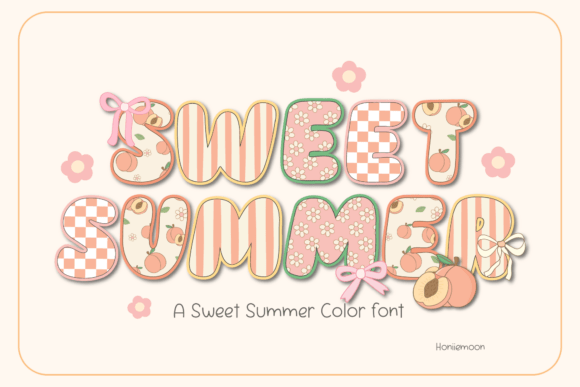
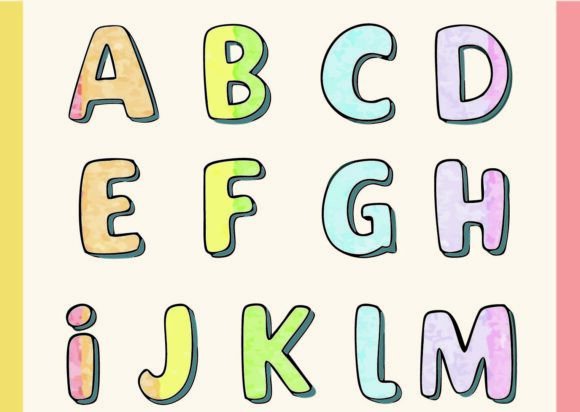
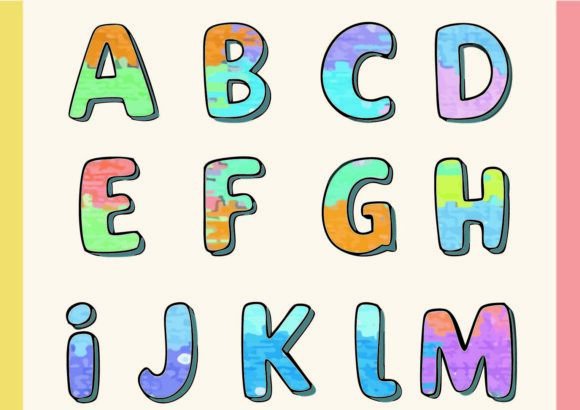
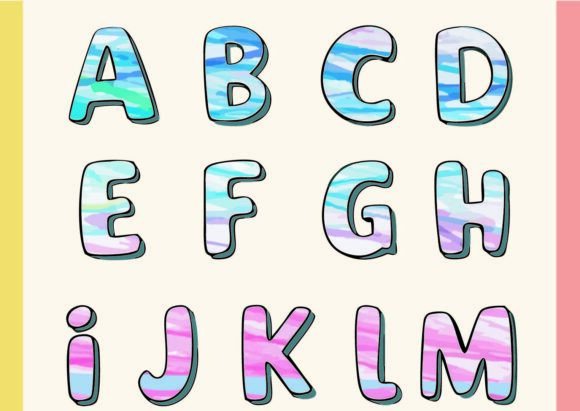
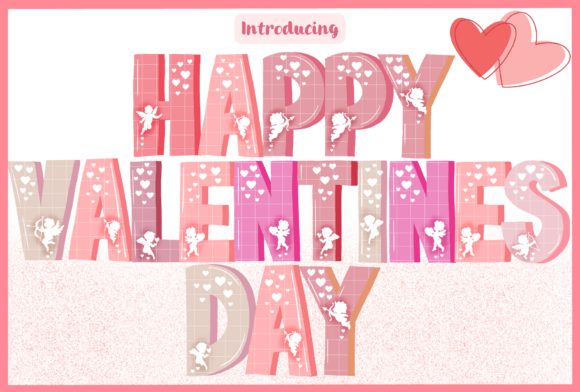
When you’re designing for love, the details matter. The Happy Valentines Day font isn’t just a collection of letters; it’s a design asset with a distinct personality. At its core, this is a display font built for impact, not for body text. Its visual character is immediately clear: soft, gradient color palettes that feel warm and inviting, integrated heart patterns that are part of the letterforms themselves, and subtle, charming Cupid silhouettes woven into the design. The overall effect is one of sweetness and playful romance. It’s a creative font that feels less like a traditional typeface and more like a decorative illustration, making it a standout choice for projects where the font itself needs to tell part of the story.
This isn’t a serif font for a classic, timeless feel, nor is it a clean sans serif font for modern minimalism. It operates in its own niche as a 3D typeface, giving it a tangible, almost tactile quality that pops off the page or screen. Think of it as a specialized tool in your design assets kit—something you reach for when the brief specifically calls for Valentine’s Day, an anniversary celebration, or any project centered on affection and romance. Its personality is unapologetically sweet and cheerful, designed to evoke immediate emotional connection.
Where This Font Truly Shines
The practical applications for Happy Valentines Day are focused, but within that focus, it excels. Its primary strength lies in short, impactful headlines and logos. Consider it for greeting cards where the font does the heavy lifting of setting the romantic tone. For a small business owner creating a one-off sale graphic for February 14th, this font can instantly communicate the theme without needing complex illustration. It’s also a natural fit for wedding invitations, particularly for the couple’s names or a key phrase like “Save the Date,” adding a unique, celebratory touch that standard script fonts might not convey.
In the digital realm, it’s a powerful tool for social media graphics. A quick Instagram story or a Facebook post promoting a Valentine’s special can be elevated with this font for a headline. For bloggers and content creators in the lifestyle, fashion, or food space, it can add a thematic flourish to a post about date-night recipes or gift guides. However, its use requires careful consideration of context. It’s not suited for editorial design where long paragraphs of text are needed, nor is it the right choice for serious brand identity work outside of very specific, seasonal campaigns. Its strength is in packaging design for confectionery, cosmetics, or gift items during the Valentine’s season, where it can contribute directly to the shelf appeal and perceived value of the product.
Integrating Romance into Your Design Workflow
Choosing to use a premium font like this is about more than just aesthetics; it’s about strategic fit. Before you download, evaluate your project honestly. Is the goal a temporary, seasonal boost in engagement, or a long-term brand asset? Happy Valentines Day is the former. Its visual density means it works best at larger sizes. Test it at the scale you intend to use it—what looks charming as a 72-point headline might become illegible at 12 points.
A critical step is font pairing. Because this typeface is so visually busy, it demands a quiet partner. Pair it with a simple, neutral sans serif font for any supporting body text or subheadings. This creates a clear visual hierarchy, allowing the decorative font to grab attention while the simpler typeface ensures readability. For example, the playful, rounded forms of Happy Valentines Day could be balanced by the clean lines of a font like Lato or Open Sans. Avoid pairing it with other ornate script fonts or detailed serifs, which will create visual competition and clutter.
From a technical and professional standpoint, always review the font’s included styles and character set. Check for essential punctuation and any special alternates or ligatures that might enhance your design. Most importantly, understand the commercial licensing. If you’re using it for a client’s project, a product you’re selling, or significant marketing material, ensure your license covers that use. A legitimate commercial font purchase protects both you and the original creator.
Practical Design Observations
- Readability is paramount. Use this font sparingly. A single word or a short phrase in a headline is effective. A full sentence can become a visual puzzle for the viewer.
- Color matters. While the font includes gradients, test it on different backgrounds. It will likely stand out best on solid, contrasting colors—deep reds, pinks, or even crisp whites—to let its details shine.
- Context is key. It’s perfect for a bakery’s Valentine’s promotion, a florist’s website banner, or a couple’s personal party invitations. It’s less suitable for a law firm’s holiday card, where a more subdued modern typography approach would be appropriate.
- Think beyond February. With its core elements of hearts and love, it could be adapted for anniversary content, bridal showers, or even certain romance-novel book publishing covers, though its seasonal association is strong.
Ultimately, Happy Valentines Day is a specialized creative font designed for a specific emotional response. It’s a tool that, when used thoughtfully, can inject a dose of joy, warmth, and romantic charm into your design projects