Parker: A Color Font That Turns Glyphs into Art
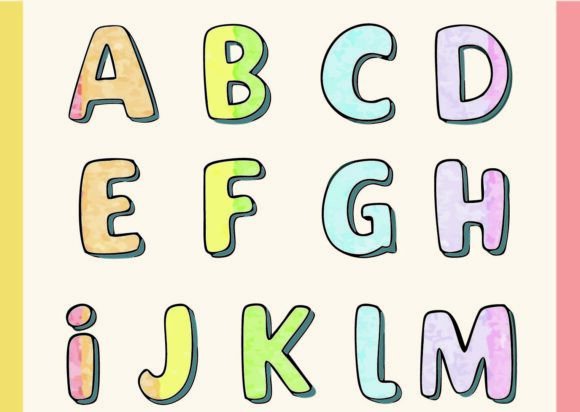
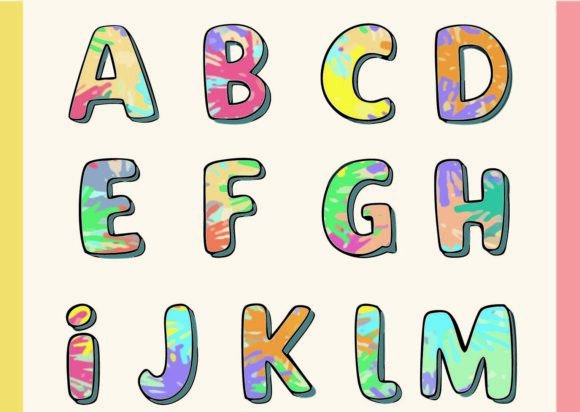
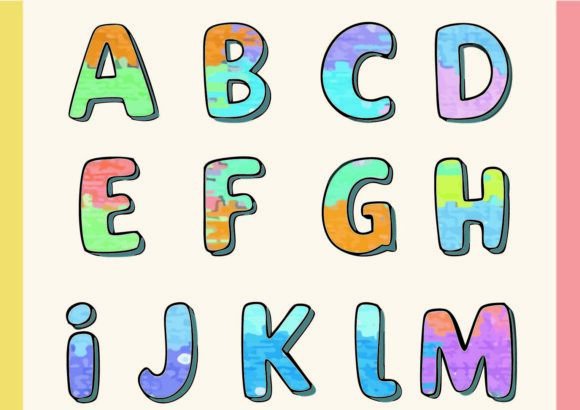
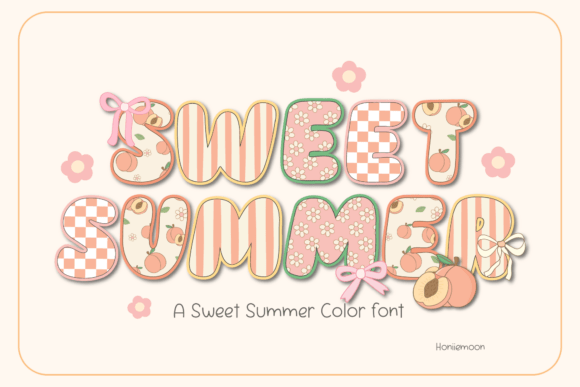
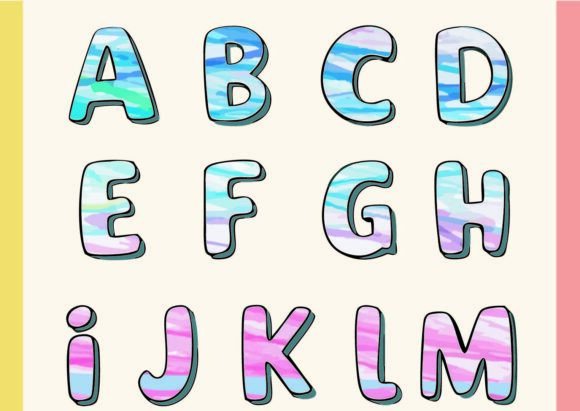
There are typefaces that communicate, and then there are typefaces that captivate. Parker belongs firmly in the latter category. At first glance, you might mistake it for a standard display font, but a closer look reveals something extraordinary. Parker is a chromatic font, also known as a color font. Each letter, number, and symbol isn't just a shape filled with a single color; it's a complete, multi-colored composition. Imagine a typographic painting for every glyph in the alphabet. That's the level of detail you're working with here. The complex paths and color gradients within each character create a rich, layered visual that feels more like custom illustration than traditional typography.
This isn't your average design asset. Parker is built on the OpenType-SVG format, which embeds the color and gradient information directly into the font file. This means the vibrant, painterly effect is preserved perfectly when you use it in compatible software. The personality of this typeface is bold, artistic, and unapologetically expressive. It carries a modern, almost digital-art sensibility while retaining a handcrafted warmth. For designers, entrepreneurs, and creators, this presents a unique opportunity to inject instant visual energy and a distinct, memorable character into a project. It’s a premium font designed to make a statement, not just fill space on a page.
Where Parker Truly Shines: Practical Applications
Understanding a font's ideal use cases is crucial for integrating it effectively into your workflow. Parker's inherent complexity and visual impact make it a specialist rather than a generalist. It excels in scenarios where grabbing attention and conveying a sense of creativity or luxury is the primary goal. Think of it as the centerpiece of a design, the element that draws the eye and sets the tone.
In the realm of brand identity, Parker can be a game-changer for the right project. It's a fantastic choice for logo design for creative agencies, art studios, boutique product lines, or entertainment brands that want to project an innovative and artistic image. However, due to its detailed nature, it’s best used for the main logotype or a key brand mark rather than for body text. For packaging design, especially for products like gourmet foods, cosmetics, or artisanal goods, Parker can elevate the shelf appeal instantly, communicating quality and craftsmanship without a word of copy.
Digital applications are where this color font truly comes alive. Use it for striking social media graphics—a bold headline in an Instagram post or a captivating title on a Pinterest pin will stop the scroll. It’s perfect for hero sections on web design projects, event announcements, or digital magazine covers. In editorial design, it can create powerful pull quotes or chapter headings in both digital and print formats. For crafters and hobbyists using compatible software like Silhouette, Parker can turn a simple project into a showpiece for custom invitations, posters, or apparel mockups.
Integrating Parker: A Designer's Practical Guide
Adopting a creative font like Parker requires a thoughtful approach. Its strength is its visual density, which means readability at small sizes or in long blocks of text is not its purpose. Always test the font at the intended size and in the intended context. A headline that looks stunning on a large monitor might become a muddy blur on a mobile screen. This is where pairing becomes essential. A classic strategy is to combine Parker with a clean, neutral sans serif font or a simple serif font for supporting text. The contrast allows the display font to be the star while ensuring the overall message remains clear and legible.
Evaluate the project's needs carefully. Is the goal to convey playful energy, sophisticated artistry, or modern edge? Parker leans towards a vibrant, artistic, and contemporary feel. It might not be the best fit for a law firm's annual report or a medical journal, but it could be perfect for a music festival poster, a creative portfolio, or a startup's brand launch kit. Review the included styles and character set. A robust premium font will often include alternates, ligatures, and a full range of punctuation, which provides more creative flexibility.
Finally, a note on compatibility and licensing. As an OpenType-SVG font, Parker requires software that supports this format to render the colors correctly. Major applications like Adobe Photoshop, Illustrator, and Inkscape are compatible, as are some design-focused tools like Silhouette Studio. Always confirm the specific licensing terms for your intended use, whether it's for a personal blog, a client's commercial project, or merchandise for sale. Understanding these technical and legal aspects ensures you can leverage this powerful design asset to its full potential, creating work that is not only beautiful but also professional and compliant.
Parker isn't just another typeface; it's a toolkit for instant visual impact. By recognizing its strengths and applying it with intention, you can transform ordinary designs into extraordinary ones, leaving a lasting impression on your audience. It represents the cutting edge of modern typography, where the line between font and illustration beautifully blurs.