Athletic Typography: The American Football Field Typeface
When we think about the gridiron, we imagine the roar of the crowd, the clash of helmets, and the sharp, geometric lines of the field itself. Capturing that kinetic energy in a static medium like typography is a difficult task, but the American Football Field font manages to do exactly that. It is not merely a set of characters; it is a design asset that carries the weight, history, and competitive spirit of the sport. For designers, marketers, and creatives looking to inject a sense of power and athleticism into their work, this typeface offers a distinct solution that goes beyond standard sans serif or serif fonts.
The Visual Playbook: Style and Personality
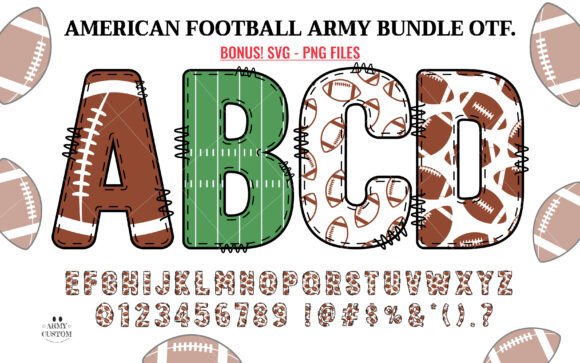
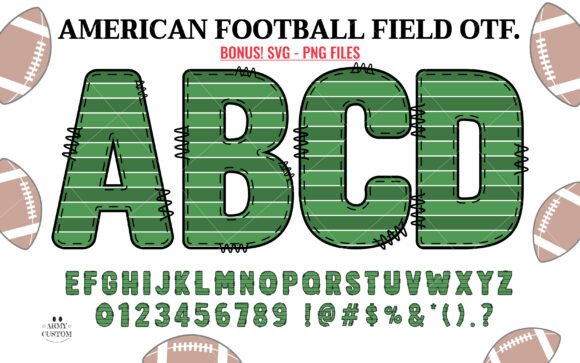
The core appeal of the American Football Field font lies in its structural integrity. This is a display font that prioritizes presence. If you look closely at the letterforms, you will notice the influence of modern typography—clean edges, heavy weights, and a blocky aesthetic that mimics the protective gear worn by players. It is not a script font or a handwritten font, which might suggest casualness or fragility. Instead, it embraces a rugged, industrial vibe that suggests reliability and endurance.
The font includes a "black" version designed for versatility, compatible with standard design software and cutting machines like Cricut Design Space. This makes it incredibly practical for physical product creation. However, the true magic often lies in the color versions, which allow for layered effects that mimic team jerseys or stadium signage. These color versions are best utilized in advanced design assets workflows using software like Photoshop or Illustrator, where you can manipulate the shading to create a 3D effect. The personality of the typeface is unapologetically bold; it does not whisper, it shouts. It commands attention immediately, making it a premium font choice for projects that need to stand out in a crowded visual field.
Strategic Applications: From the Sidelines to the Storefront
Understanding where to deploy American Football Field is key to maximizing its impact. Because it is a high-impact creative font, it is rarely suited for long-form body copy or dense paragraphs. Reading a 500-word article in this font would be exhausting for the viewer. Instead, its strength lies in headlines, logos, and branding elements where brevity and impact are paramount.
Branding and Logo Design: For sports teams, gymnasiums, or athletic apparel brands, this font serves as a foundational element for logo design. It instantly communicates a "sports" context without needing additional iconography. A local intramural league or a fitness influencer can use this typeface to establish a brand identity that feels established and competitive.
Packaging and Product Design: If you are launching a product line—perhaps protein supplements, outdoor gear, or even a bold hot sauce—the American Football Field font can anchor your packaging design. It suggests that the product inside is robust and high-performance. The compatibility with cutting machines also opens the door for custom merchandise, such as decals, t-shirts, and hats, allowing small business owners to create professional-grade swag without needing a graphic design degree.
Digital and Editorial Use: In the realm of web design and editorial design, restraint is required. Use this font for the "hero" text on a landing page or the header of a sports blog. It works exceptionally well for social media graphics, specifically for Instagram stories or YouTube thumbnails where you have less than a second to grab a user's attention. When used for event posters or tournament brackets, it provides the necessary visual hierarchy to guide the viewer's eye to the most critical information first.
Technical Considerations and Pairing Strategies
As a designer or content creator, your goal is to ensure that your typography enhances the message rather than obscuring it. Here are some practical guidelines for working with American Football Field.
- Font Pairing: Because American Football Field is so loud and expressive, it requires a quiet partner. Pairing it with another display font will result in visual chaos. Instead, look for a neutral sans serif font or a clean serif font for your body copy. A geometric sans serif works well to complement the angular nature of the headers, while a traditional serif can provide a nice contrast that feels "classic" and editorial. Avoid using a script font alongside it unless the script is very subtle, as the clash of styles can be jarring.
- Readability and Hierarchy: Use this typeface for H1 and H2 headers, or for pull quotes. Do not use it for captions or fine print. The letterforms are designed for impact, not for reading at 8-point sizes. By reserving it for key moments, you create a strong visual hierarchy that guides the reader through your content logically.
- Software Compatibility: Be mindful of the technical limitations mentioned in the font's documentation. If you are working on a Cricut project, stick to the standard black OTF/TTF versions. If you want to utilize the multi-color layers for a digital banner or a print ad, ensure you are working in a program that supports OpenType features and color layers, such as Adobe Illustrator or Silhouette Studio.
Ultimately, the American Football Field font is more than just a novelty; it is a strategic tool. It allows creatives to tap into a specific cultural moment and emotion—the grit and glory of the game. Whether you are designing a logo for a local team, creating merchandise for a fundraiser, or building a brand identity for a new startup, this commercial font provides the visual muscle needed to get the job done. By pairing it wisely and using it sparingly for maximum effect, you can ensure your designs look professional, energetic, and ready for the big leagues.