Thin Blue Line: A Typeface for Patriotism and Style
There’s a certain challenge in finding a typeface that carries weight without shouting. You want something that communicates strength, integrity, and a sense of purpose, but you also need it to look sharp, modern, and undeniably stylish. That’s the gap the Thin Blue Line font fills. It’s not just another display font; it’s a design asset built for projects that need to balance a serious, patriotic message with a cool, contemporary aesthetic. This typeface captures a spirit of dedication and pride, translating it into a visual language that feels both powerful and fresh.
The Visual Language of Strength and Modernity
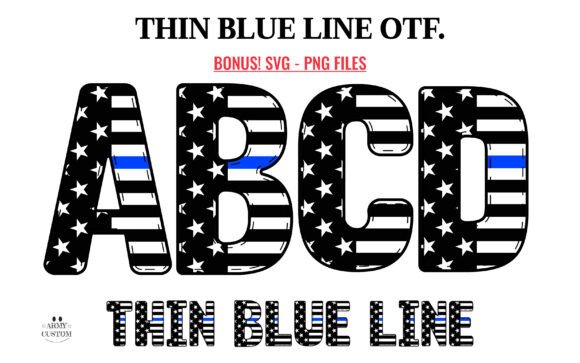
At its core, the Thin Blue Line font is a study in confident geometry. It draws from the clean, authoritative structure of a sans serif font, but introduces subtle, deliberate details that set it apart. You’ll notice the letterforms are solid and grounded, with a uniform stroke width that suggests stability and reliability. Yet, it avoids feeling rigid or bureaucratic. There’s a modern typography sensibility at play—perhaps a slight geometric influence in the curves of the 'S' or 'O', or a distinctive angle on the terminals of letters like 'C' and 'G'. This isn't a script font or a handwritten font; its personality is built on clarity and impact. The overall appeal is one of understated cool, making it a versatile creative font for designers who want their work to make a statement without relying on ornamentation.
Where This Typeface Truly Shines
Knowing where a font works best is key to using it effectively. The Thin Blue Line typeface excels in contexts where message and medium must align perfectly. Its strength lies in display font applications, where it can be used at larger sizes to command attention.
- Branding and Logo Design: This is where the font’s personality truly comes to life. For organizations, initiatives, or brands with a patriotic angle, the Thin Blue Line font provides an instant foundation for a strong brand identity. Think logos for security firms, veteran-owned businesses, community outreach programs, or local sports teams that want to evoke a sense of hometown pride and resilience. It pairs exceptionally well with a simpler serif font or a clean sans serif for body text, creating a clear visual hierarchy.
- Marketing and Social Media Graphics: In the fast-scroll world of digital marketing, a premium font like this helps cut through the noise. Use it for hero text on websites, impactful headlines in email campaigns, or bold statements in social media graphics. Its style ensures your message is not only read but felt, which is crucial for audience engagement and brand recognition.
- Publishing and Editorial Design: For magazines, books, or reports covering topics of public service, history, or community, this typeface can set a powerful tone. It’s ideal for chapter titles, pull quotes, or feature article headers in editorial design, adding a layer of gravitas and modern style to the layout.
- Event and Packaging Design: Imagine the cover of a gala program, the signage for a memorial event, or the label on a product from a brand that supports first responders. The Thin Blue Line font brings a respectful yet stylish touch to packaging design and event collateral, making the material feel intentional and premium.
Making Smart Choices with the Thin Blue Line Font
Adopting any new commercial font into your toolkit requires a practical approach. The goal is to enhance your work, not complicate it. Here’s how to think about integrating the Thin Blue Line typeface effectively.
Evaluating Project Fit and Readability
First, consider the project’s core message. Does it align with the themes of strength, community, and patriotic pride? If yes, you’re on the right track. Next, think about readability. Because this is a display-oriented typeface, it’s engineered for headlines and short bursts of text, not for long paragraphs. For body copy, always pair it with a highly legible serif font or sans serif font. Test your pairings by viewing them at the intended size. Does the Thin Blue Line heading draw the eye without overwhelming the supporting text? The contrast should be complementary, not conflicting.
Exploring the Included Styles and Licensing
A professional premium font often comes with more than one weight. Check if the Thin Blue Line font family includes variations like Regular, Bold, or perhaps even a condensed version. These additional styles are invaluable for creating nuanced visual hierarchy within a single project—using Bold for the main headline and Regular for a subheading, for example. Finally, always review the licensing. Ensure the license covers your intended use, whether it’s for a personal blog, a client’s logo design, or a mass-produced product. Clear licensing protects your work and gives you the confidence to use the font to its full potential.
In the end, the Thin Blue Line font is more than just a set of letters. It’s a design choice that communicates values. By applying it thoughtfully to the right projects, you can create work that resonates on a deeper level, blending unwavering purpose with undeniable style. It’s a powerful addition to any designer’s collection of design assets, ready to help you build brands, tell stories, and create graphics that truly stand out.