The Warmth of Ginger Bread: A Font for Cozy Creations
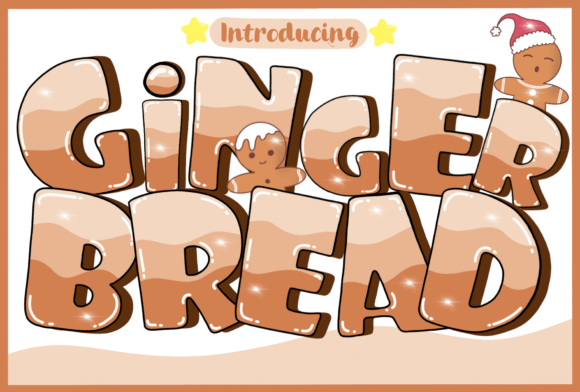
There's a certain feeling that comes with the scent of gingerbread baking – it's warm, inviting, and instantly nostalgic. The Ginger Bread typeface captures that exact essence in a digital form. This isn't just another creative font; it's a premium font designed to inject a tangible sense of comfort and sweetness into your projects. Imagine a typeface with a rich, ginger color pattern woven into its very letters, creating a visual texture that feels both playful and artisanal. Its personality is cozy, festive, and undeniably charming, making it a standout display font for anyone looking to evoke a specific, heartwarming mood.
Where This Font Truly Shines
Understanding a font's ideal context is key to using it effectively. Ginger Bread isn't designed for lengthy body text or stark corporate reports. Its strength lies in its ability to command attention and set a tone. Think of it as the typographic equivalent of a decorative gingerbread cookie – it's the centerpiece, not the flour in the batter.
Its applications are wonderfully specific. In packaging design, especially for bakeries, holiday treats, or artisanal goods, this font can make a label feel homemade and premium. For social media graphics promoting seasonal sales, baking tutorials, or cozy lifestyle content, its warm hues and friendly style stop the scroll. It’s also perfect for logo design for small businesses in the food, craft, or family-oriented spaces, where you want the brand to feel approachable and nostalgic. Even in editorial design, like the chapter titles of a cookbook or the header of a holiday magazine spread, it adds a layer of thematic charm that a standard serif font or sans serif font simply can't provide.
Making It Work: Practical Guidance for Designers and Creators
Choosing a display font like Ginger Bread requires a bit of strategic thinking. First, evaluate its fit for your project's core message. Is "warmth," "nostalgia," or "festivity" part of your brand's identity? If yes, you're on the right track. Next, consider font pairing. This is where the magic of modern typography happens. Pair Ginger Bread with a clean, neutral sans serif font like Montserrat or Open Sans for body text. The contrast ensures your headings pop while remaining perfectly legible. Avoid pairing it with other ornate script fonts or handwritten fonts, as this can create visual clutter and undermine the professionalism of your brand identity.
Readability is paramount. While it's a creative font, always test it at the size it will be viewed. It works best at larger sizes for headlines, logos, and key phrases. Use it sparingly to create maximum impact. Think of it as a spice in your design pantry – a little goes a long way. Before committing, review all the included styles and weights. Does it offer the versatility your project needs? Also, pay close attention to the licensing. The commercial font license details are crucial, especially if you're creating products for sale, like printed merchandise or digital templates. The black version's compatibility with cutting machines like Cricut is a huge bonus for crafters, but remember the color version has specific software requirements for its unique pattern to render correctly.
Beyond the Obvious: Unexpected Uses for a Thematic Font
While the festive applications are clear, a skilled designer or marketer can push the boundaries. Imagine using Ginger Bread in a web design for a children's education platform or a family recipe blog. The font's inherent friendliness can make content feel more accessible and engaging for a younger audience, while still appealing to the parents. For entrepreneurs in the wedding or event planning space, a slightly desaturated or single-color version could lend a rustic, handmade feel to save-the-date cards or menu designs, moving it beyond pure Christmas themes.
The key is to deconstruct its personality. Its "warmth" can translate to "approachable." Its "sweetness" can become "whimsical." By focusing on these underlying traits, you can adapt Ginger Bread for projects that aren't overtly about the holidays. A local coffee shop's loyalty card, a community event poster, or even the cover of a self-published storybook could all benefit from its unique character. It’s a design asset that, when used thoughtfully, can build strong emotional connections with an audience, making your brand identity more memorable and distinctive in a crowded market.