Embrace the Romance: Designing with the Honey Typeface
In the crowded landscape of modern typography, finding a typeface that feels both authentic and emotionally resonant is a rare discovery. Honey is a color font designed specifically to capture that elusive Valentine’s Day essence—warmth, intimacy, and playfulness. It isn’t just another script font; it is a carefully crafted visual tool that brings a distinct personality to your creative work. Whether you are a brand strategist looking for a unique voice or a crafter aiming to add a personal touch to a project, Honey offers a versatility that bridges the gap between professional polish and heartfelt charm.
Visual Personality and Style
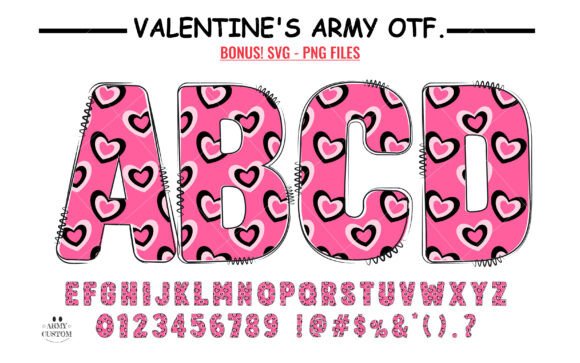
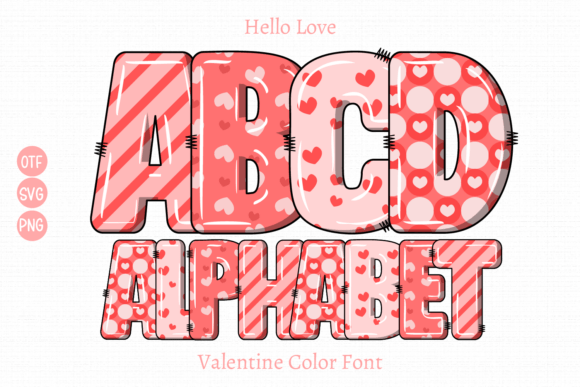
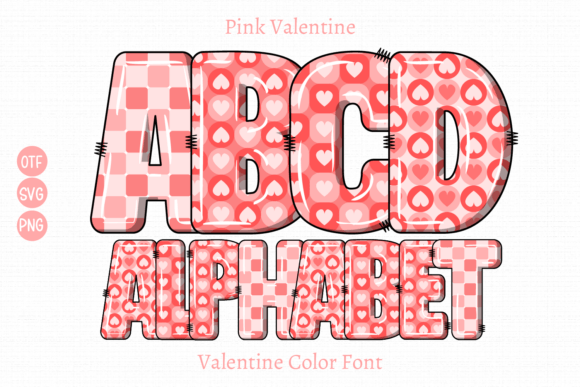
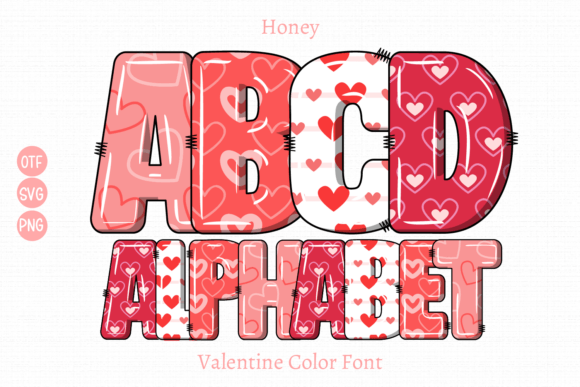
At its core, Honey is a handwritten font that leans into the aesthetic of modern romance. Unlike rigid, geometric typefaces, Honey features organic curves and a fluid baseline that mimics the natural flow of hand-lettering. This gives it an approachable, human quality that is often missing in digital designs. The "color font" aspect means the typography itself carries texture and color gradients, allowing for a premier font experience right out of the box without needing complex layering effects in your design software.
The visual weight of Honey strikes a delicate balance. It is bold enough to serve as a headline or logo design element, yet it maintains a softness that doesn’t overpower the composition. This makes it an excellent choice for creating visual hierarchy. You can use Honey for a main header to draw the eye immediately, pairing it with a clean sans serif font for body text to ensure readability. The contrast between Honey’s expressive strokes and the neutrality of a sans-serif creates a dynamic, professional look that is easy on the eyes.
Strategic Applications: From Branding to Digital Media
The utility of a creative font like Honey extends far beyond simple decoration. It is a strategic asset for anyone building a brand identity. For small business owners in the lifestyle, beauty, or wedding industries, Honey can serve as the cornerstone of their visual branding. Imagine this typeface on product packaging for artisanal goods or boutique labels; it immediately communicates quality, care, and a personal touch that consumers crave.
In the realm of editorial design and web design, Honey helps break the monotony of standard web-safe fonts. It is particularly effective for blog headers, pull quotes, or featured images on social media graphics. The font’s inherent warmth makes it ideal for content creators and bloggers who want to foster a connection with their audience. It turns a standard Instagram post into a piece of graphic design, elevating the perceived value of the content.
For physical applications, the versatility of Honey is noteworthy. The black version of this premium font is fully compatible with Cricut Design Space and other cutting machines, making it a favorite among hobbyists and crafters. You can use it to create stunning decorations, personalized greeting cards, planners, and photo albums. The ability to cut these intricate, flowing letters with precision allows for professional-looking physical products that were previously difficult to achieve with standard script fonts.
Practical Guide to Pairing and Implementation
Choosing the right font pairing is crucial when working with a display font like Honey. Because Honey has a strong personality, it requires a partner that can support it without competing for attention. A classic serif font can add a touch of traditional elegance, suitable for formal invitations or high-end branding. Conversely, a geometric sans serif font offers a modern, clean contrast that works well for tech startups or contemporary lifestyle blogs looking to add a human element to their interface.
When evaluating project fit, consider the medium. If you are designing for digital platforms, the color version of Honey is a standout choice. However, it is important to note the technical requirements. The color version is compatible with programs like PhotoShop, Illustrator, Silhouette, and Inkscape. It is essential to understand that the OTF and TTF files of the color version are not compatible with Cricut. For Cricut users, the black version is the necessary tool. Always check your software compatibility to ensure your design assets render correctly.
Readability is another key factor. While Honey is legible at medium to large sizes, like most display fonts, it should be used sparingly in body copy. It is best utilized for headlines, subheadings, and call-to-action buttons where its details can be appreciated without causing eye strain. When used correctly, Honey enhances the reading experience by breaking up content and guiding the viewer’s eye through the page.
Maximizing Your Design Investment
Investing in a high-quality typeface is an investment in your brand’s future. To get the most out of Honey, experiment with different contexts. Use it for packaging design to see how it interacts with physical materials and lighting. Test it in social media graphics to gauge audience engagement. The "playful yet intimate" nature of the font often results in higher engagement rates for lifestyle and relationship-focused content.
For those new to using color fonts, consulting resources like the Ultimate Font Guide is highly recommended. Understanding the nuances of how color typography interacts with different software will save you time and frustration. By mastering the technical aspects, you can fully unlock the potential of this modern typography tool.
Ultimately, Honey is more than just a set of letters; it is a design solution for anyone looking to add a touch of romance and authenticity to their work. Whether you are designing a wedding invitation, a brand logo, or a digital ad, Honey provides the charm and technical versatility needed to make your projects bloom with a uniquely romantic flair.